_4.jpg)
_2_1788277659.jpg)
_3_1788181505.jpg)
11 EU members push to curb foreign policy vetoes as bloc weighs wider reform
39 minutes ago
A US strike on a wedding in the port of Kuhestak in Iran's Sirik district killed five people and wounded 68, a provincial official said, state media claimed on September 2.
The reported casualties are part of the mounting civilian toll of the war between Iran and the United States, as American strikes concentrated on Iran's southern coast around the Strait of Hormuz draw in populated areas alongside military targets.
Kuhestak lies in Hormozgan province, on the stretch of coast facing the strait. An investigation into the location's target confirms Iranian claims that the site was, in fact, in a residential area at the following coordinates, but close to the small town's port area.
It is currently unknown if the US missile was intentionally targeting a house or had overshot its target in the port area where forces were more likely to be based.
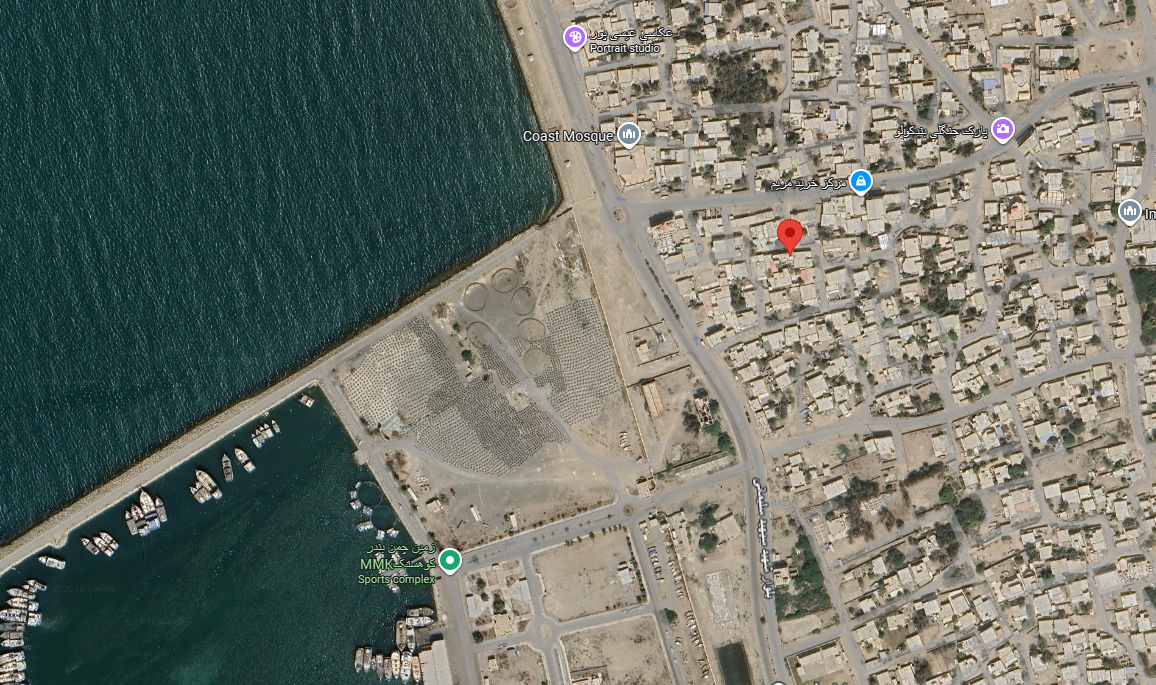
The location of the strike can be seen here on Google Maps, as confirmed by geoposition.
Images distributed by state media appear to show that the building in the south of the country was struck by a missile, according to the images seen by IntelliNews.
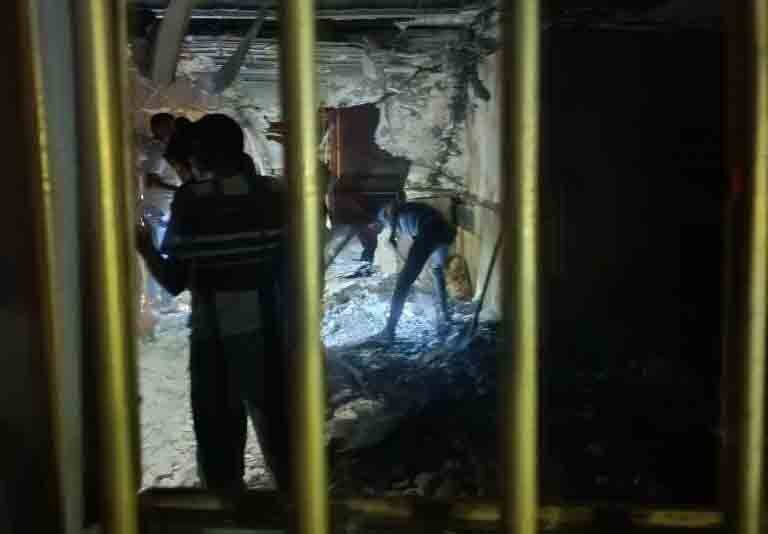
Ahmad Nafisi, political, security and social deputy at the Hormozgan governor's office, said the number of dead had risen to five and the wounded to 68 following the strike on the wedding ceremony. The toll and the account could not be independently verified.
Relief teams and emergency medical services reached the scene immediately after the strike, Nafisi said, and casualties were transferred to medical centres in neighbouring districts and the provincial capital.
Nafisi condemned the attack and said responsible agencies were pursuing the condition of the wounded, with further information to be released through official channels.
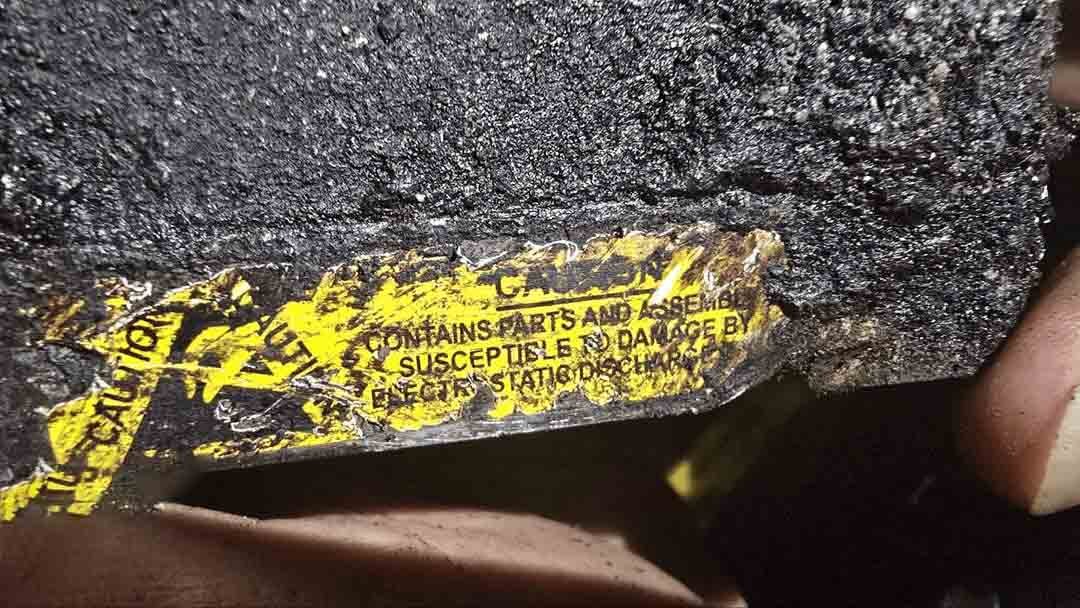
A second image distributed also purports to show the remnants of US military equipment left on site at the wedding venue, following the strike; this image could not be independently verified.
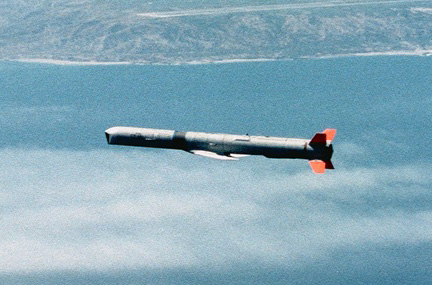
Iranian media claimed the missile that hit the wedding site in Kuhestak in southern Iran, killing civilians, was an American "AGM-84H/K SLAM-ER" manufactured by Boeing, as shown below and above. According to the remains shown in Iranian media, IntelliNews could not verify the Iranian evidential claims.
The strike came amid a sharp escalation over the weekend. The US hit Larak Island, an IRGC naval outpost in the Strait of Hormuz, on August 30 and 31, after which Iran fired missiles at bases housing US forces in Jordan and directed attacks at the UAE, in the first major exchange in about a month.
US Central Command (CENTCOM) said it had struck IRGC targets in Iran on September 1, citing attempted Iranian attacks on Gulf shipping and American forces. Sirik was among the southern areas where Iranian state media reported explosions.
In a post on social media platform X.com by CENTCOM noted, "U.S. forces struck Islamic Revolutionary Guard Corps (IRGC) targets including air defence sites, radar systems, maritime assets and facilities, mine laying capabilities, and communications sites."
In response, Iran responded with firing drones and missiles back at US positions across the region, including Jordan and Bahrain, according to unconfirmed images distributed by Arab social media channels.
In one video circulating during the early hours of September 2, an alleged Iranian Shahed 136 drone is seen slamming into the US Navy's Fifth Fleet in Bahrain.
Video purporting to show an Iranian drone hitting a US naval base in Bahrain on September 2.
In a second leaked image, Iranian media had also claimed its drones had struck a US military installation in Erbil in Iraq's Kurdistan region late on September 1.
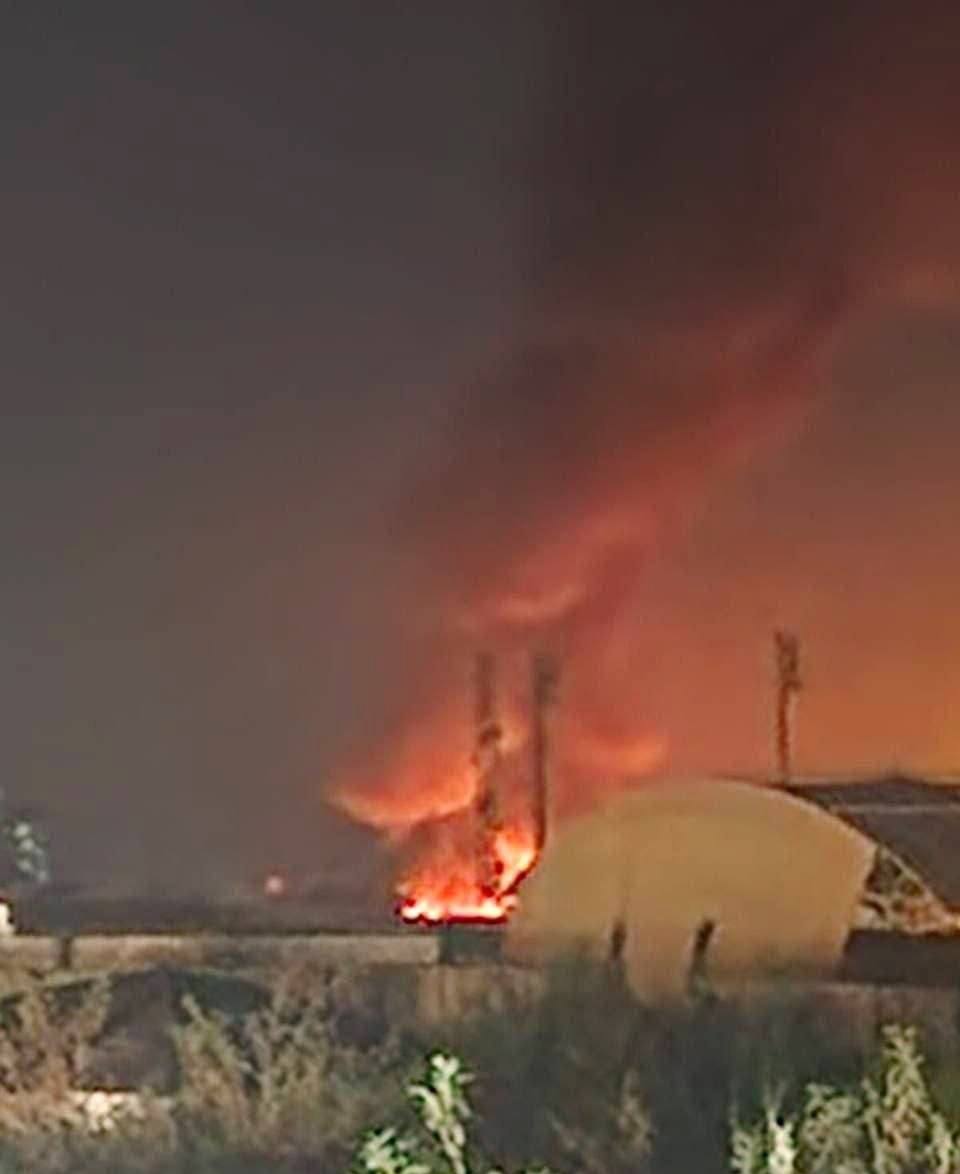
The pattern of strikes echoes earlier rounds of the war, in which US strikes on Iran's Hormozgan coast and Iranian retaliation against US partners in Jordan, Oman, Kuwait and the UAE spread the conflict across the Gulf.
Neither side's claims of losses in those exchanges have yet been confirmed, and Gulf states have not acknowledged strikes on their territory in recent hours, according to reports from those national agencies.
The war began on February 28, when the US and Israel launched strikes on Iran and killed Supreme Leader Ali Khamenei and other top officials from the clerical government in Tehran.
Iran responded by closing the Strait of Hormuz and attacking regional and Gulf allies of the US through which about 20% of the world's oil and gas passed before the conflict, and a June memorandum of understanding meant to end the fighting has repeatedly broken down.


