


Iran holds the cards as a Hormuz deal takes shape on its own terms
25 minutes ago
Ukraine's stockpile of air-defence interceptor missiles is running down to zero this week, and Ukrainian President Volodymyr Zelenskiy's mounting desperation as the hunt for replacement ammunition fails is becoming impossible to hide, with the country's skies over its cities now largely undefended against Russian ballistic missiles.
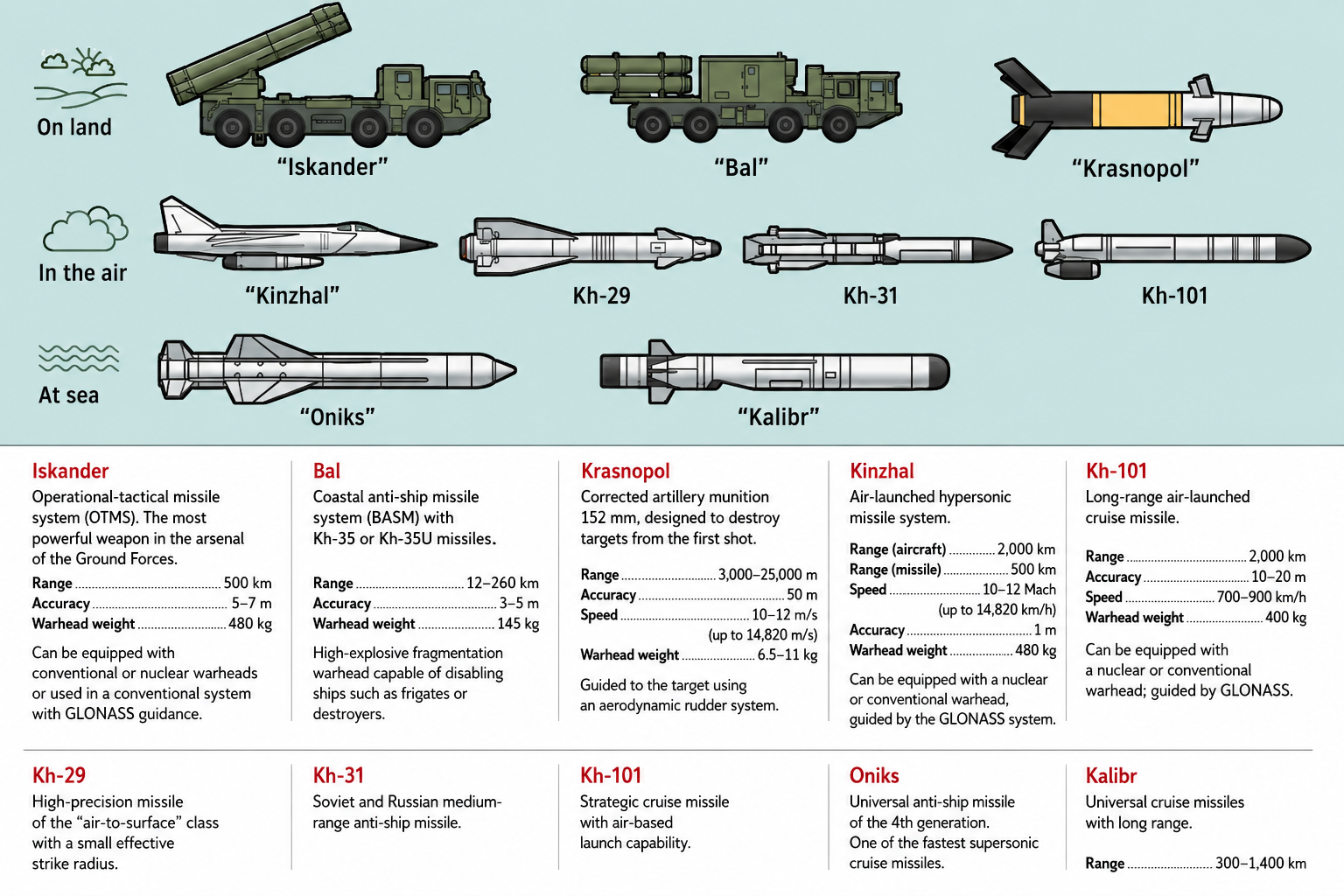
“The number of air-defence missiles supplied by our partners has dropped threefold compared with 2025,” Zelenskiy said on August 5 after meeting his acting defence minister and top military officials. “Our partners do have the missiles,” he said, calling on them to make “the necessary political decisions” to get them to Kyiv. Since July 1, Russia has fired roughly 150 Iskander-M ballistic missiles at Kyiv city and Kyiv Oblast alone; with Ukraine's Patriot stocks so thin, only around seven of the 150 were shot down.
Zelenskiy is now working the phones daily, telling Nato Secretary General Mark Rutte he was coordinating “with all partners who can assist with the supply of interceptor missiles,” and separately asking Finnish President Alexander Stubb what Helsinki could spare. The appeals come as Russia is widely expected to repeat last winter's huge missile barrage on what remains of Ukraine's power sector, and Ukraine's prime minister has warned water infrastructure could be hit too this winter.
The scramble for ammunition is playing out against a broader escalation: the war has entered a new tit-for-tat missile phase in which Ukraine is hitting Russian warehouses and distribution hubs under what Kyiv calls Operation Wildberries, while Russia has focused its own drone and missile campaign on crippling Ukraine's Black Sea ports, already halting grain and metal exports and forcing leading exporters to stop production.
Washington says no, for now
Zelenskiy asked US President Donald Trump for 300 additional Patriot interceptors last week; Trump turned him down, citing depleted American stockpiles and the need to protect US bases amid the Middle East conflict. Ukraine received three times fewer air-defence interceptor missiles from its partners in the first half of 2026 than over the same period last year, Zelenskiy said, adding that allies still hold the missiles but need to make the political decisions to release them, speed up production and potentially localise some manufacturing in Ukraine.
The US has burned through roughly half its Patriot interceptors and nearly four-fifths of its THAAD inventory fighting Iran, with senior Pentagon commanders warning munitions stockpiles are “dangerously low,” CNN reported on August 4. The Center for Strategic and International Studies estimated the US held some 2,200-2,330 of the most modern Patriot variant and 452 THAAD interceptors before the Iran war began; a July CSIS report put Patriot stocks at between 759 and 827 by the end of July, and THAAD stocks at between 234 and 278, estimating it could take until at least mid-2029 to rebuild both to pre-war levels. Lockheed Martin, which makes the PAC-3 interceptor, is reportedly preparing to send a team to Ukraine to examine joint production, though even with licences approved, launching a production line would take at least a year.
Trump had already dangled, then walked back, a bigger fix. At the Nato summit in Ankara on July 8 he announced Washington would license Ukraine to manufacture Patriot missiles itself – “that's pretty cool,” he said. “This way you can't complain that we're not giving them enough. I said, make them yourself.” Within a week, the promise had been walked back into little more than a long-term industrial pledge, with Trump expressing uncertainty about actually transferring the sensitive production technology and military analysts noting it would be years before a Kyiv-based PAC-3 line could roll out its first missile.
Who in Europe has interceptors left?
Exact Patriot inventories are classified across Europe, but procurement records, transfers and launcher capacity allow a reasonable, if rough, estimate of who still has stock to give.
Spain: probably around 30-40 operational missiles remaining, excluding new orders not yet delivered. Madrid's declared war reserve stood at roughly 50 Patriot interceptors in April 2024; it has since reportedly committed 12 missiles to Ukraine plus further small transfers, leaving a legacy stock of perhaps 30-38 across its three older, second-hand German batteries. Spain is part of a European order for up to 1,000 new GEM-T/PAC-2-type interceptors, but production in Germany is not due to start until late 2026, with deliveries from 2027 – too late to count as reserves now.
Greece: probably the largest pool of older interceptors potentially available for rapid transfer, though the figure is highly uncertain – somewhere in the region of 200-300 missiles, overwhelmingly ageing PAC-2 variants. Athens operates six Patriot batteries; Kyiv has asked Greece for up to 200 PAC-2 missiles, many of them reportedly around 23 years old and nearing the end of their certified service lives. Greece has also transferred “several dozen” interceptors to Qatar since March 2026, including an initial shipment of 24 missiles, which will have eaten into any spare stock.
Germany: probably holds Europe's largest immediately usable inventory, though no current total is public. Berlin has operated Patriot for decades, has donated complete batteries and missiles to Ukraine, and has ordered heavily to replenish stocks – its inventory could still run into the low hundreds, but has been substantially depleted by transfers to Kyiv; large future orders should not be confused with what is available today.
Poland: has one of the clearest future pipelines. Its first acquisition covered 208 PAC-3 MSE interceptors, with a later expansion providing for up to 644 more; not all of the expansion has been delivered, so Poland likely has around 200 or somewhat fewer operational missiles today, putting it on course to become one of Europe's largest Patriot operators.
Romania: ordered 168 PAC-3 MSE missiles and 56 GEM-T missiles – 224 in total – with seven Patriot systems planned. Bucharest has donated one full system to Ukraine; the number of missiles that went with it has not been disclosed, so its remaining stock is probably somewhat below the original 224.
Netherlands: holds both PAC-2/GEM-T and PAC-3-family interceptors but has donated launchers and missiles to Ukraine, leaving its present inventory likely in the dozens rather than hundreds, although its share of the European 1,000-missile order will eventually replenish it.
Sweden: has acquired Patriot systems with PAC-3 MSE and GEM-T missiles; published procurement packages suggest a meaningful stock, probably around 100-200 missiles, though the delivered and currently operational number has not been disclosed.
Switzerland: has ordered Patriot systems and PAC-3 MSE missiles, but delivery and operational introduction are still under way, so it should be treated as a future stockpile rather than a source of missiles available now.
Across Europe there is probably no large hidden surplus: most countries hold enough for only a limited number of sustained engagements, particularly since doctrine commonly calls for firing two interceptors at a single difficult ballistic-missile target – one reason Ukraine's own interceptor deliveries in 2026 have fallen to a third of their 2025 level.
Ukraine's partners have not been idle on paper: Kyiv's Coalition of the Willing launched a dedicated Anti-Ballistic Missile Coalition at a Paris summit in July, part of a wider push to close a missile-defence gap that has been widening for months even as strikes reshape Ukraine's energy market. None of that has yet translated into enough interceptors on Ukrainian launch rails – which is why Zelenskiy is still working the phones country by country, one missile shipment at a time.
The IntelliNews PRO service includes access to reports, exclusive market data, and more news that decision-makers care about. Stay ahead of the market with IntelliNews PRO.
Sign Up Now


