


Is Kazakhstan’s Tokayev planning to rule 'forever'?
7 hours ago
Ukraine’s ability to keep the lights on through another wartime winter will depend as much on reform as reconstruction, according to a new report by the Kyiv School of Economics (KSE), which argues that changes to tariffs, regulation and power generation are now as critical as repairing infrastructure damaged by Russian attacks.
The report comes as Ukraine’s energy system continues to operate under severe strain following more than four years of war. According to the World Bank’s latest Rapid Damage and Needs Assessment (RDNA5), losses in Ukraine’s energy and extractive sectors have reached $88.2bn, while total recovery needs are estimated at $90.6bn through 2035.
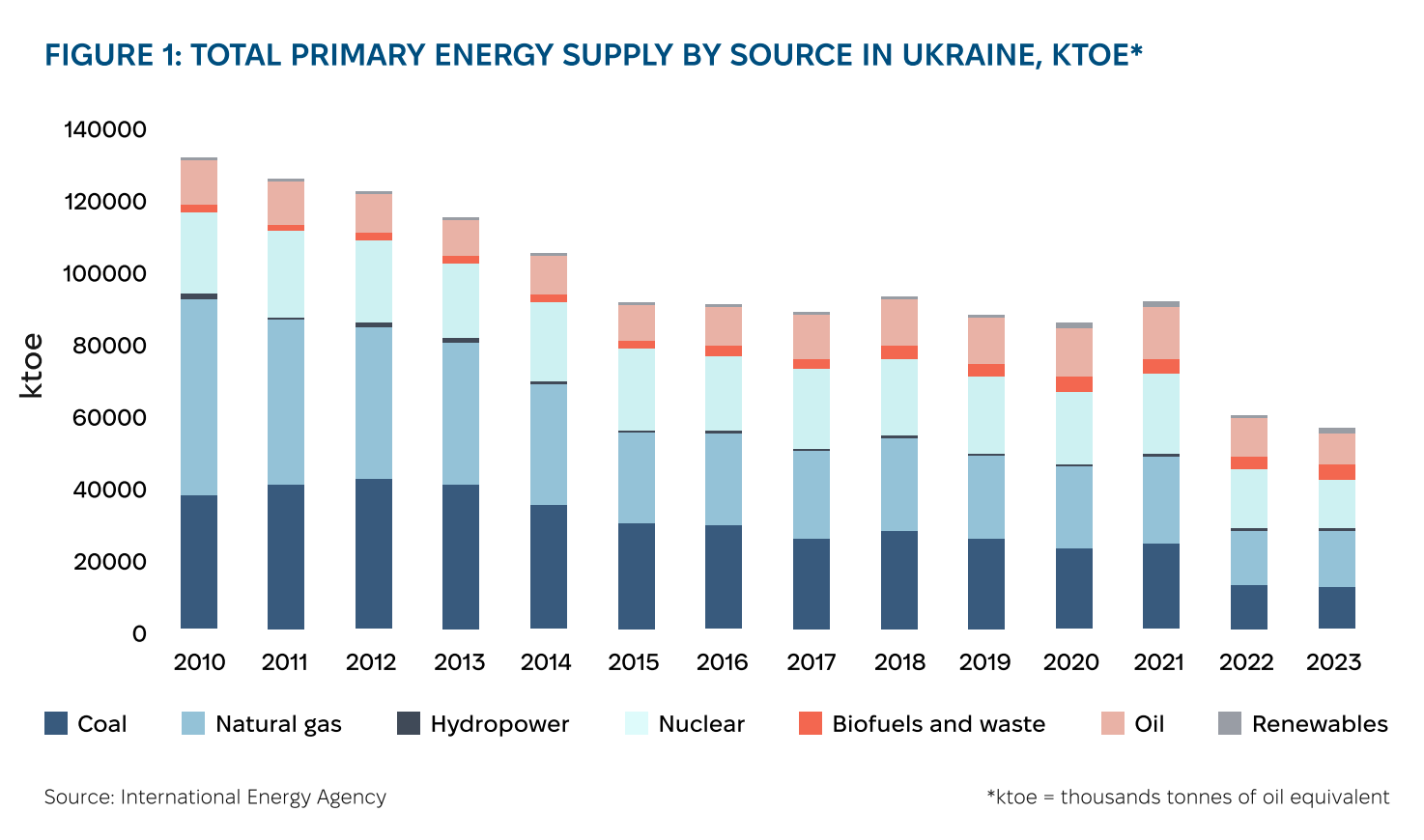
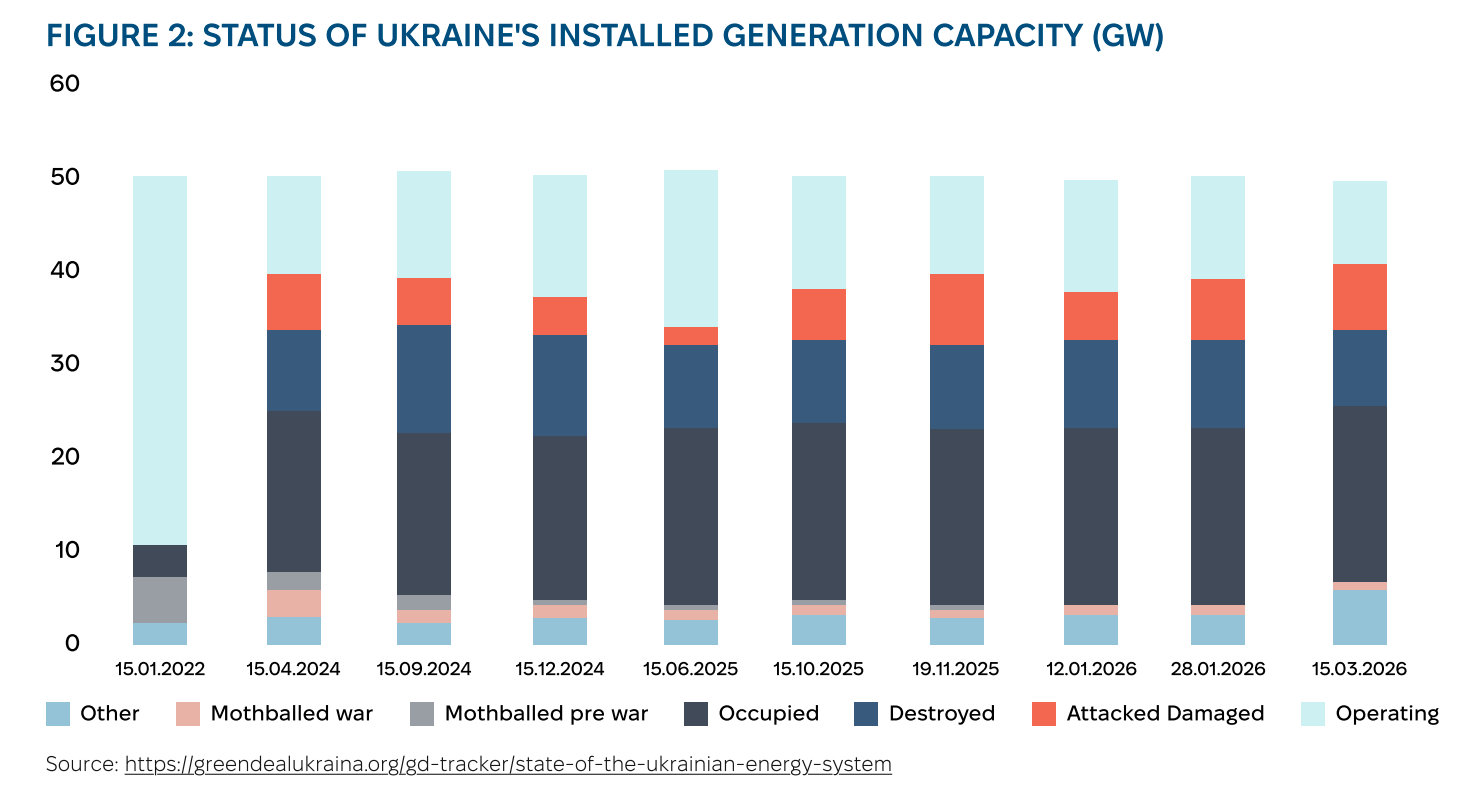
The scale of the challenge became evident during the winter of 2025-26, when available generation capacity fell below 10GW, down from its pre-war total of just under 60GW, and against current demand of at least around 18GW. As Russian President Vladimir Putin tried to freeze Ukraine into submission by bombing power assets during one of the coldest winters in decades the system ended up heavily dependent on imports, emergency measures and rapid repairs.
“The hardest part is sequencing,” KSE said in launching its Ukraine Reform Series. “Raise tariffs before the regulator is independent, and investors stay away. Open the markets before social protection is in place, and households absorb the shock. The pieces have to move together.”
The institute identifies three areas as priorities: decentralisation of power generation, tariff reform and stronger governance.
On the supply side, KSE argues that Ukraine should accelerate investment in distributed generation, cogeneration facilities, backup equipment and localised energy systems. Such investments would reduce dependence on large thermal and hydroelectric plants that have repeatedly been targeted by Russian missile and drone strikes.
“Distributed generation, cogeneration, backup equipment, and faster repairs reduce dependence on the big plants Russia keeps hitting,” the report said. “This does the most to get the grid through next winter.”
Financing remains a major obstacle. More than 240 flagship projects worth over $72bn have been identified on Ukraine’s Investment Project Portal, with energy accounting for the largest share. However, private investment remains constrained by war risks, limited insurance capacity and high borrowing costs.
KSE argues that expanding war-risk insurance and guarantee programmes could unlock investment. “War-risk insurance, guarantees, and shared risk can pull premiums from 8–12% down to bankable levels (1–2%),” the report said. Building insurance capacity of $5bn-$7bn a year would allow many projects already under consideration to proceed.
Tariff reform represents another politically sensitive challenge. Gas and electricity subsidies reached $9.1bn in 2024, equivalent to 5.1% of GDP, according to KSE, and continue to rise. The government is expected to publish a liberalisation roadmap by the end of June that will outline a gradual increase in tariffs for electricity, gas, heating and hot water while preserving support for vulnerable households.
At the same time, attracting long-term capital will require greater confidence in the regulatory framework. KSE argues that the National Energy and Utilities Regulatory Commission (NEURC) must gain genuine independence if investors are to trust market rules and pricing mechanisms.
The government plans to revise the charters of state energy companies Energoatom and Ukrhydroenergo and amend legislation governing the regulator as part of a broader governance overhaul.
For Ukraine, the challenge is no longer simply rebuilding what has been destroyed. The war has accelerated the need to create a more decentralised, commercially viable and resilient energy system. Whether those reforms can be implemented quickly enough may determine not only the success of future reconstruction efforts, but also whether Ukraine can avoid another winter of acute energy shortages.
The IntelliNews PRO service includes access to reports, exclusive market data, and more news that decision-makers care about. Stay ahead of the market with IntelliNews PRO.
Sign Up Now


_1785778932.jpg)
