


Severe storm floods Skopje streets, causes traffic chaos
1 day ago
The world's oceans reached their highest average June surface temperatures on record this year, underscoring growing concern among scientists that the planet is entering a new phase of climate instability in which extreme weather events become both more frequent and more severe.
According to the EU's Copernicus Climate Change Service (C3S) and Copernicus Marine Service (CMEMS), global sea-surface temperatures exceeded the previous June records set in both 2023 and 2024. On June 21, average sea-surface temperatures reached between 20.86°C and 21.0°C, the highest ever recorded for this time of year.
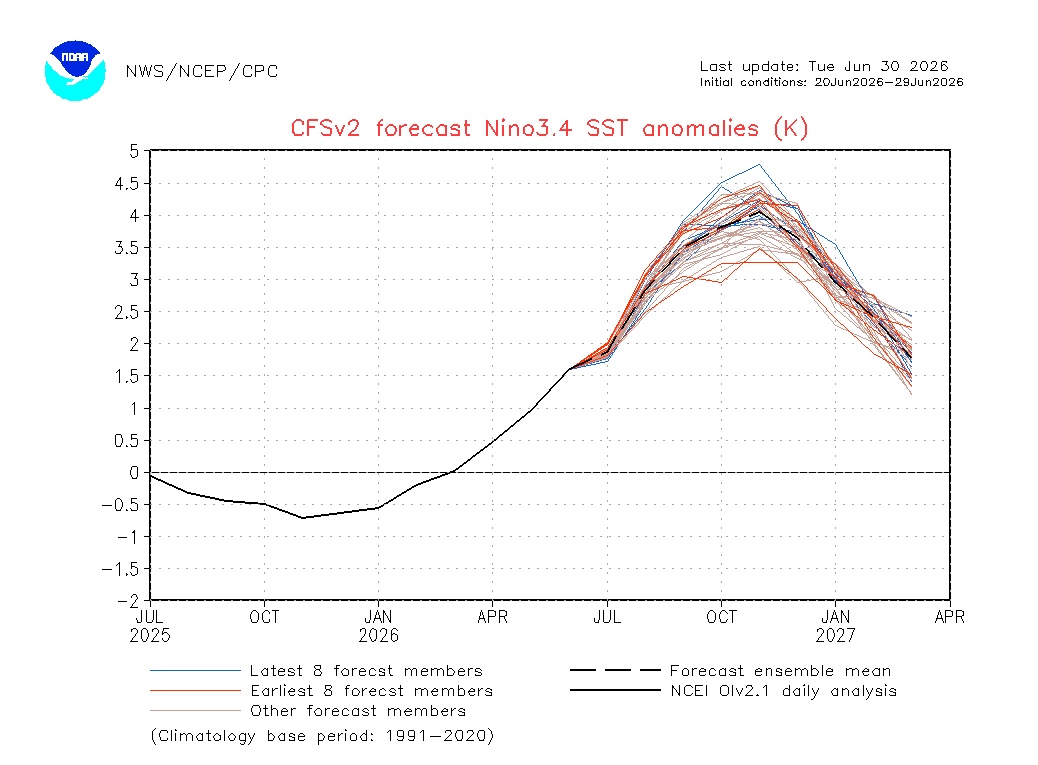
The record comes as Europe recovers from an exceptional early-summer heatwave that shattered temperature records across much of the continent, while forecasters warn that the emergence of a potentially powerful El Niño later this year could intensify global weather extremes even further.
Although the oceans cover more than 70% of the Earth's surface, they absorb more than 90% of the excess heat trapped by greenhouse gases. Rising sea temperatures therefore provide one of the clearest measures of long-term global warming, but they also act as a powerful amplifier of extreme weather by transferring heat and moisture into the atmosphere.
"Current conditions could indicate the beginning of a new phase, leading, once more, to uncharted territory," said Carlo Buontempo, director of the Copernicus Climate Change Service. "With ocean temperatures at these levels and El Niño on the horizon, we are likely to see more temperature records fall in the coming months."
The Mediterranean Sea heatwave is so severe, climatogists complained they ran out of colors to paint the extreme on maps. Sea surface temps peaked at 8°C above normal. Perhaps more impressive is how expansive the area of 6°C anomalies are. Much of the water is 29-32°C.
“The Sea is now record hot for early July beating - you guessed it - the old record set last year. This is obviously a consequence of the most severe heatwave in Europe history last week. And this weekend another intense heatwave is due to arrive,” Jeff Berardelli a climatologist said in a social media post.
Scientists stress that the current warming reflects two forces acting simultaneously. Long-term climate change has steadily increased baseline ocean temperatures over recent decades, while the re-emergence of El Niño—a natural warming of the tropical Pacific that occurs every two to seven years—is now adding another layer of heat to an already warmer planet.
The consequences extend far beyond hotter beaches. Warmer oceans provide additional energy for tropical cyclones, increase evaporation that can fuel heavier rainfall and flooding, accelerate sea-level rise through thermal expansion and place increasing stress on marine ecosystems, particularly coral reefs already suffering repeated bleaching events.
Marine heatwaves have become increasingly widespread. Copernicus estimates that around 82% of the world's oceans experienced marine heatwave conditions during the first half of this year, with parts of the Mediterranean recording sea-surface temperature anomalies of as much as 6°C above the long-term average.
The timing is especially concerning because global sea temperatures typically continue rising through July and August. Forecasts suggest El Niño will strengthen through the second half of the year, potentially reaching levels not seen for decades. If that occurs, meteorologists warn that already elevated ocean temperatures could help drive another year of record-breaking global heat, alongside greater risks of droughts, floods and powerful storms.
For climate scientists, the latest milestone reinforces a broader trend. The world's oceans have now spent much of the past three years at or near record temperatures, suggesting that what once appeared exceptional is rapidly becoming the new baseline. The question is no longer whether the oceans are warming, but how quickly societies can adapt to the increasingly volatile climate system that follows.
The IntelliNews PRO service includes access to reports, exclusive market data, and more news that decision-makers care about. Stay ahead of the market with IntelliNews PRO.
Sign Up Now


