
_0_1781695206.png)

MOSCOW BLOG: Ukrainian drone strikes spark fuel fears in the Russian capital
7 hours ago

Uzbekistan and South Korea have agreed to establish industrial clusters, expand infrastructure cooperation and elevate investment partnerships across multiple sectors based on a series of agreements and memoranda signed at the Uzbekistan-Korea Business Forum in Tashkent.
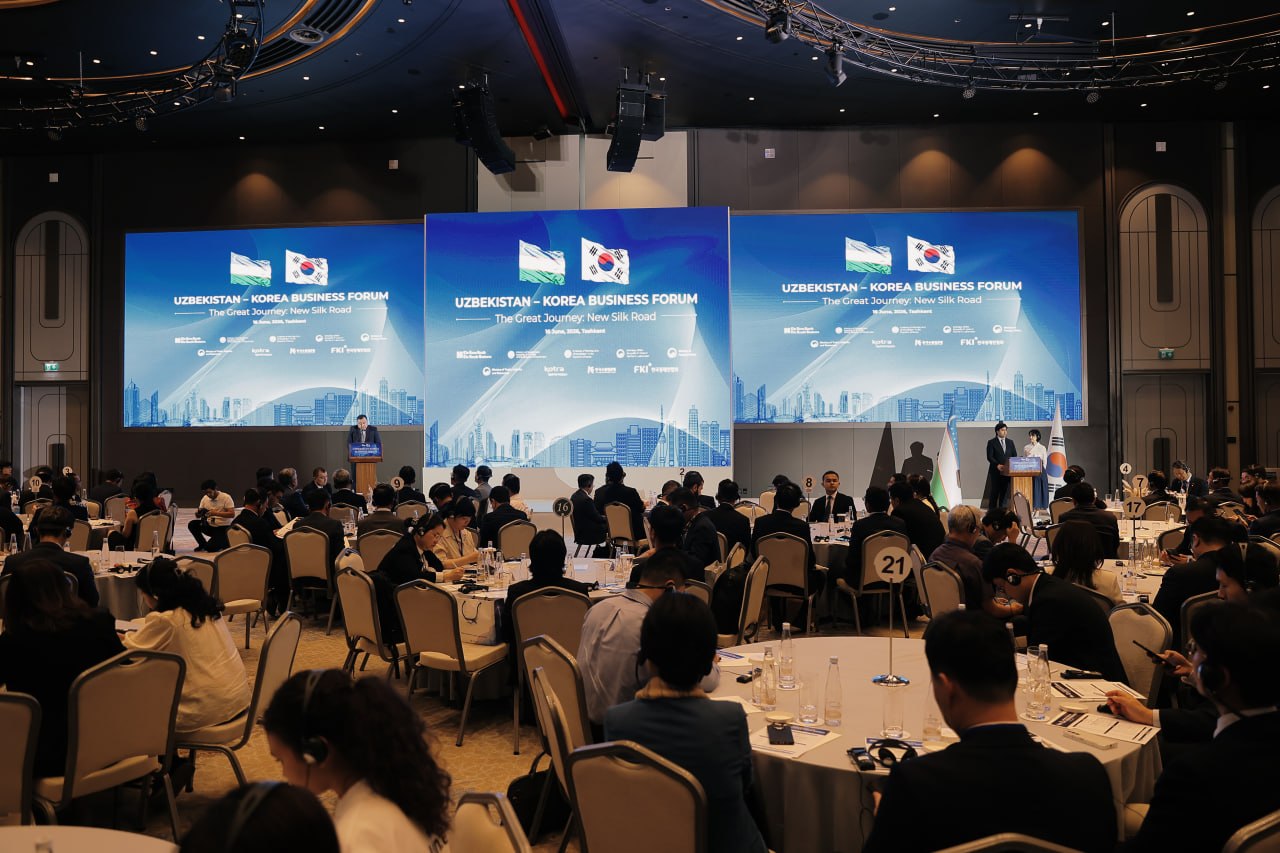
The forum was held on June 16 at the InterContinental Tashkent Hotel as part of the fifth annual Tashkent International Investment Forum (TIIF 2026), one of Central Asia’s leading investment platforms.
The gathering brought together government bodies, financial institutions, business communities, industry associations and leading companies from both countries.
A trilateral memorandum of cooperation was signed between the Ministry of Investments, Industry and Trade of Uzbekistan, the Agency for the Development of the Pharmaceutical Industry of Uzbekistan and the Korea Overseas Infrastructure & Urban Development Corporation (KIND), formalising collaboration in industrial development, pharmaceuticals and infrastructure expansion.
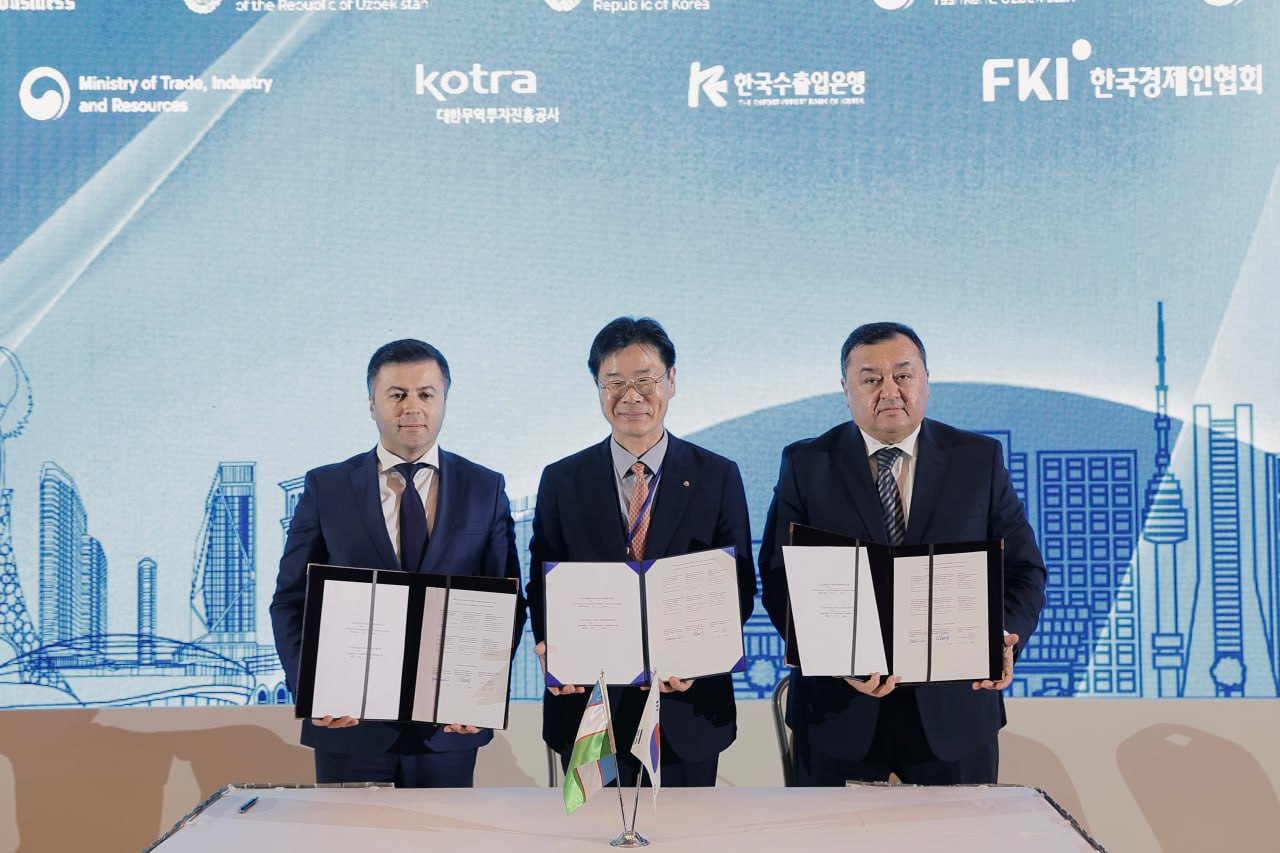
Additional agreements include joint work with KOTRA (Korea Trade-Investment Promotion Agency) on the creation of an industrial zone and cooperation with KAIT (Korea Association for ICT Promotion) on establishing a biotechnology cluster, aimed at accelerating technology transfer and attracting Korean investment into structured platforms in Uzbekistan.
The forum gathered more than 300 representatives of Korean companies and business organisations, including major global firms such as POSCO, Samsung, Lotte, Daewoo Engineering & Construction, Hyundai Rotem, Incheon International Airport Corporation, Korea Eximbank and KOTRA.
An official address by the President of the Republic of Korea, Lee Jae Myung, was read out at the forum, emphasising the importance of expanding multifaceted cooperation, deepening investment partnerships and creating new drivers of economic growth between the two countries.
That direction was echoed in the infrastructure agenda led by KIND. Its president, Kim Bok Hwan, pointed to the scale of Korea’s global footprint, noting that “KIND-managed funds have already directed $2.5bn in investments” and that the corporation operates across “more than 88 countries worldwide.” Uzbekistan, he stressed, stands out as a key partner in Central Asia.
The cooperation pipeline is already taking shape through a series of flagship projects. These include the new Tashkent Airport, Tashkent Smart Logistics City and Smart Bio-Cluster in Zangiota district of Tashkent region.
The bio-cluster alone spans 61 hectares and exceeds $100mn in value, with a focus on building pharmaceutical production capacity, modern manufacturing infrastructure and advanced biotechnology systems. Alongside individual projects, KIND is also advancing a broader concept that links airports, logistics hubs and new urban development into a single integrated economic model.
Financial backing from Korea Eximbank adds another layer of momentum. The bank highlighted expanding cooperation with Uzbekistan across transport, energy, gas, aviation and infrastructure financing, with the new Tashkent Airport and related logistics systems positioned as a turning point in bilateral economic engagement. It also pointed to a major financing envelope of South Korean won (KRW) 10 trillion ($6.5bn) allocated in 2025 for strategic raw materials and industrial projects, with a similar scale planned for the current year.
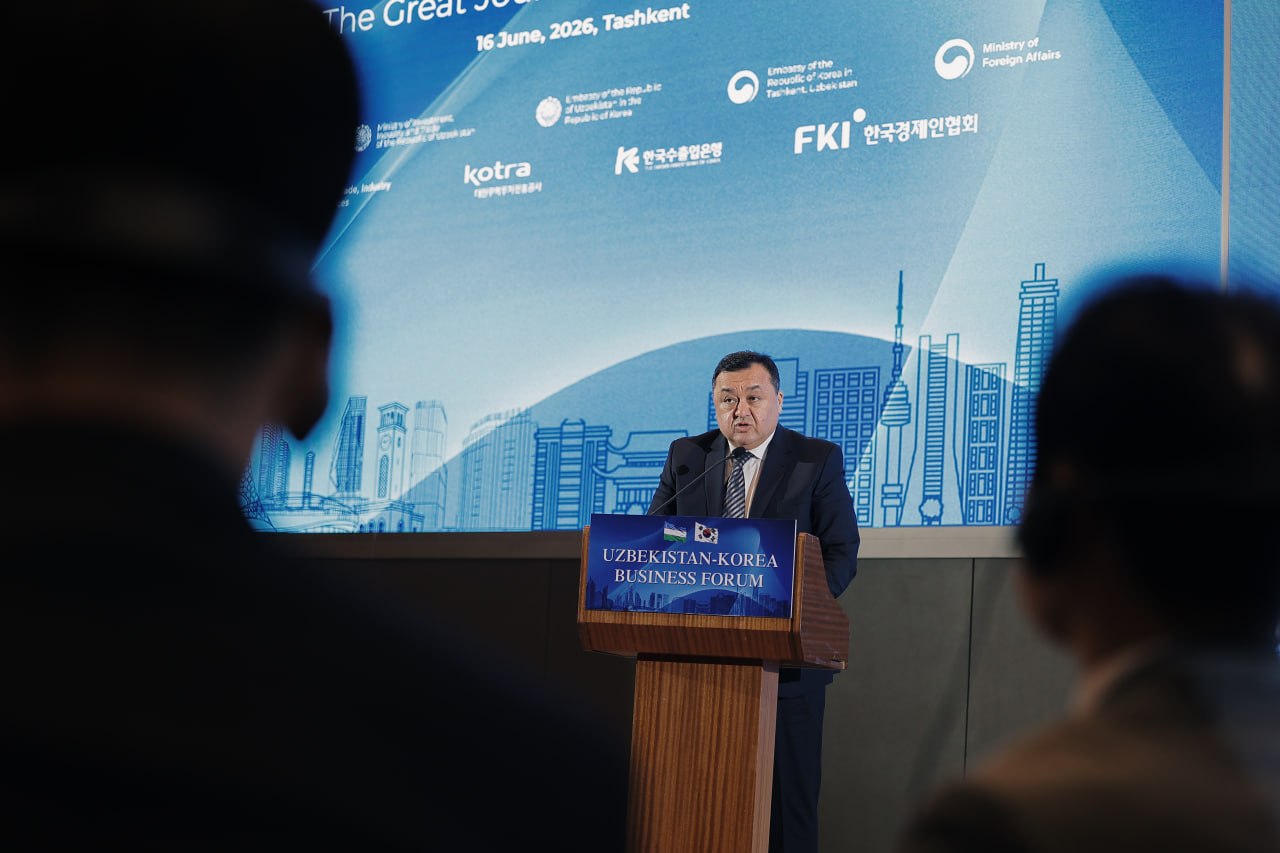
Deputy Minister of Investments, Industry and Trade Ilzat Kasimov laid out a reform path that has steadily reshaped Uzbekistan’s investment landscape. More than 200 licences and permits have been removed, the number of taxes reduced from 13 to nine, VAT lowered from 20% to 12% and restrictions on dividend repatriation and foreign exchange operations fully lifted. The direction is clear: a more open, export-driven economy designed to compete for global capital.
That trajectory is reinforced by growth figures that are hard to ignore. Uzbekistan’s GDP has doubled in recent years and is projected to reach $147bn in 2026, with a longer-term target of $240bn by 2030.
A similar structural shift is visible in Uzbekistan’s light industry, where scale and composition have changed at the same time. Around 10,000 textile and light industry enterprises are now operating nationwide, generating more than $10bn in annual output, including $4bn in exports across 75 countries.
Since 2017, the sector has moved away from raw cotton exports toward full-cycle production, with more than 65% of exports now made up of finished garments such as apparel, home textiles and technical textiles. This transition has been supported by a wide set of policy tools, including low-interest working capital loans, 15 types of subsidies, reimbursement schemes for foreign specialists and overseas offices, as well as funding support for exhibitions and ERP system upgrades.
Global integration is already visible in production networks. Companies such as Hugo Boss, North Sails and SCOTT Sports are part of Uzbekistan’s expanding manufacturing base, while Youngone Corporation is advancing projects worth around $30mn across several regions, building vertically integrated production systems that connect local capacity with global supply chains.
Additional industry data shared during the forum showed production of around 100mn garments annually, holding revenues of $3.44bn and core business revenues exceeding $2.85bn. Companies are also expanding internationally, including with operations across Asia, Africa and Central America. There are plans to enter Africa and Kenya, while maintaining ESG cooperation programmes with Seoul National University and local communities.
Uzbekistan’s attractiveness in textiles is supported by its cotton production of around 620,000 tonnes annually, ranking the country among the top global producers. The strategic geographic position of Uzbekistan is also attractive. It connects CIS countries, Europe, Turkey and Asia.
The forum also highlighted Uzbekistan’s growing digital economy. The country now hosts over 3,000 IT companies, including more than 1,000 foreign firms and more than 1,000 startups with a combined ecosystem value exceeding $4.3bn. Uzbekistan has produced two unicorns and employs over 300,000 IT professionals.
The IT ecosystem is supported by more than 500 education centres and 220 universities, with growing training in AI, cybersecurity, data science and game development. IT Park Uzbekistan provides major incentives including full tax exemptions, VAT exemptions on IT imports, free office space under the Ziyo programme and simplified entry procedures for foreign companies. The IT Park also maintains international offices in Seoul, Berlin, Shanghai, Tokyo and Riyadh.
At the event, Incheon International Airport Corporation presented its role in airport development and global consulting. Established in 1999, the corporation operates Incheon International Airport, one of the world’s leading aviation hubs and reported a net profit of nearly $1bn in 2025. It is involved in airport modernisation and infrastructure development projects in Uzbekistan.
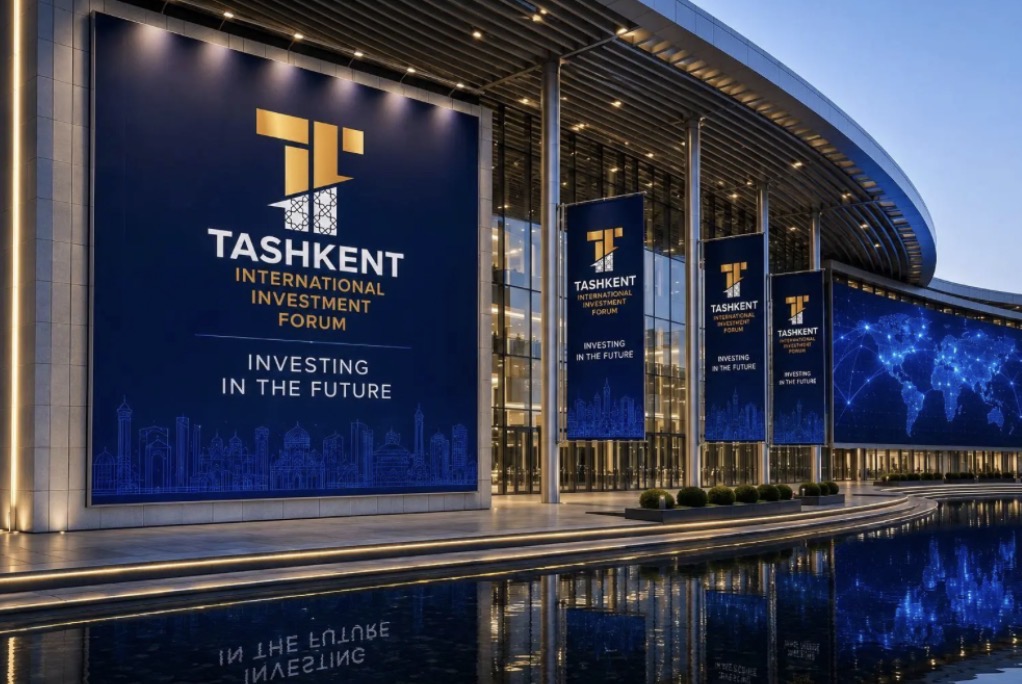
TIIF 2026 brought together companies with a combined $42 trillion in assets, representing 38% of global GDP. The event gathered over 8,300 participants from 100 countries, including 3,400 foreign delegates, 62 government delegations and 2,780 corporate executives.
The forum hosted 372 representatives of international financial institutions and 209 journalists from 41 countries. Across 79 events, discussions focused on energy transition, artificial intelligence, critical minerals, logistics, aviation and digital governance, alongside investment pitching sessions and bilateral business forums.
The Uzbekistan-Korea Business Forum concluded with a clear shift from dialogue to implementation, as agreements on industrial zones, biotechnology clusters, logistics systems, aviation infrastructure and pharmaceutical development signalled a new phase of structured cooperation.
Tashkent this week also hosted the second meeting of senior officials in preparation for the first-ever Central Asia-Republic of Korea Summit of heads of state.
The meeting brought together Deputy Foreign Ministers from the Republic of Korea, Kazakhstan, Kyrgyzstan, Tajikistan and Turkmenistan, with Uzbekistan represented by Deputy Foreign Minister Mirvohid Azimov. It followed the first such gathering held in Seoul on April 10.
Discussions focused on the preparation of the upcoming summit, including review of draft final documents and alignment on priority areas of cooperation. The agenda placed strong emphasis on expanding collaboration in trade and economics, investment, energy, transport and logistics, as well as cultural and humanitarian ties, signalling a broad-based approach to regional engagement.
The meeting also reinforced a shared commitment to maintaining close coordination ahead of the summit, with participants agreeing to continue joint work on shaping its substantive agenda. The leaders’ summit is expected to serve as a new milestone, designed to give additional momentum to multilateral cooperation between South Korea and Central Asian states.
The IntelliNews PRO service includes access to reports, exclusive market data, and more news that decision-makers care about. Stay ahead of the market with IntelliNews PRO.
Sign Up Now_1781808112.png)


